
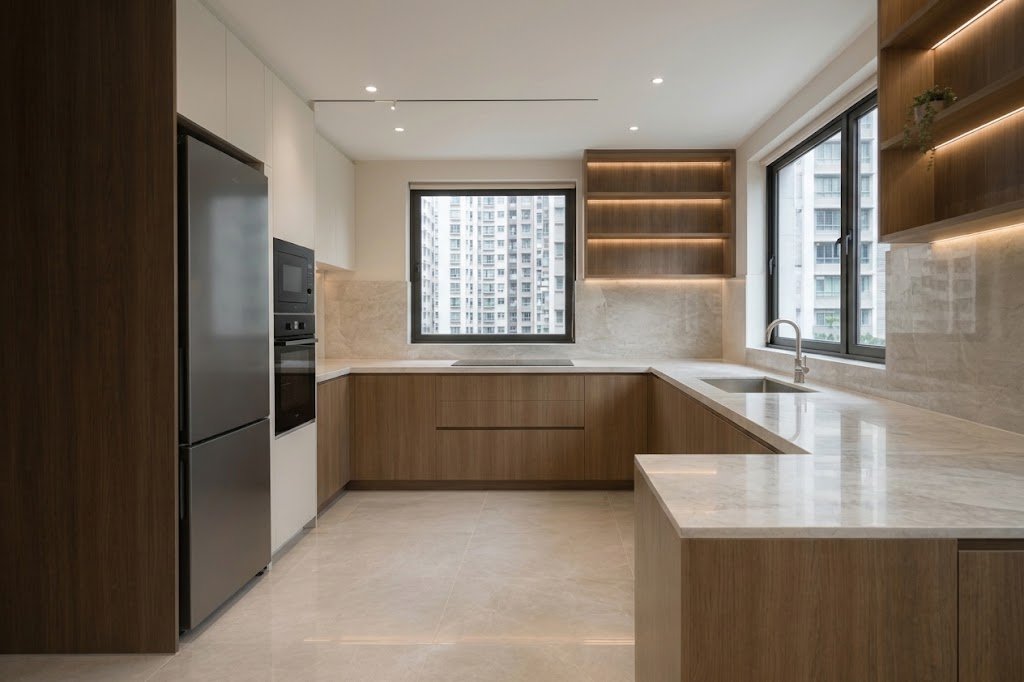
Key Takeaways
Sintered stone is an exceptionally durable, heat-resistant, and non-porous surface gaining widespread popularity in modern interiors.
Evaluating the pros and cons of sintered stone helps you choose a resilient, low-maintenance material for busy households.
Professional installation and careful edge handling are essential to prevent potential chipping from heavy impacts.
Introduction
Good interior surfaces should balance neat visual appeal with a tough structure built for real life. Sintered stone fits this description completely, which explains its rapid rise in modern homes worldwide. Data shows global demand in the sintered stone countertop market reached USD 1.84 billion in 2024, heading towards major expansion through 2033.
We advise looking at the pros and cons of sintered stone during your initial selection process. Superior durability is its main selling point, but a homeowner ought to weigh the practical reality of living with it.
What Is a Sintered Stone?
Factories make sintered stone by crushing raw natural minerals, compacting them under high pressure and baking them under intense heat until they fuse together. This process reduces the spaces between particles, creating a dense surface with very low porosity.
The result is an engineered stone that won't absorb spills or mark under high heat. It stays resistant to scratches from daily kitchen prep. It gives you a low maintenance finish for busy living areas that stays looking new for years.
Pros of Sintered Stone
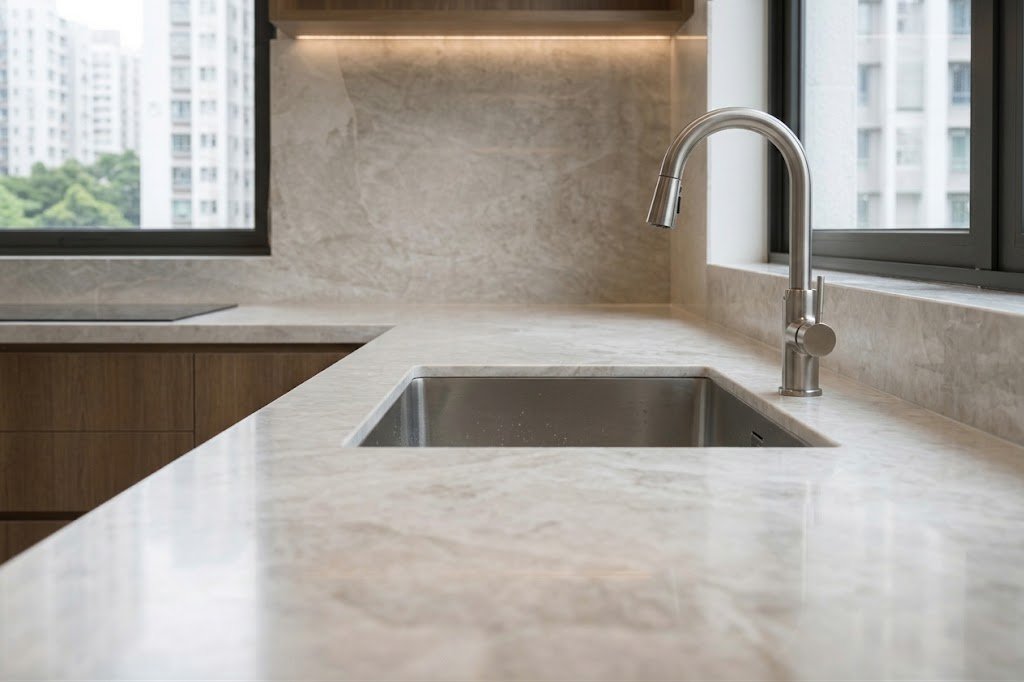
Many people choose sintered stone for residential projects because it brings together the best qualities of engineered and natural products. Let us look at the top advantages that make this material stand out.
Exceptional Durability
Renovation materials should stand up to real life. Sintered stone tolerates high foot traffic, and decades of routine wear. The surface handles years of daily use without wearing down
Heat Resistance
Kitchen surfaces take direct heat daily. Sintered stone handles heat better than quartz or solid surface, since there’s no resin to scorch. We still recommend trivets, sudden temperature changes can stress any stone.
Scratch and Stain Resistance
Sintered stone resists scratches from normal kitchen use. The non-porous surface stops liquids from soaking into the slab. Normal household mess wipes right off.
Low Maintenance
Marble needs constant sealing and looking after. Sintered stone doesn't. It's got low maintenance needs. Sealing isn't necessary here. Regular cleaning takes hardly any effort. Warm water with mild soap is all it takes.
Modern Design and Versatility
Love clean lines and modern aesthetics? You've got plenty of options here with a huge choice of colours, finishes, and styles. Sintered stone fits right into modern spaces without any fuss, giving your rooms a smooth, continuous look.
Cost-Effective Alternative to Natural Stone
High-end slabs might still cost a bit, but sintered stone usually acts as a budget-friendly alternative to natural stone. You get that luxury look of natural marble and granite for less money. It's a great option if you're a homeowner watching your budget.
Cons of Sintered Stone
No material is entirely flawless, and understanding the potential drawbacks helps you set realistic expectations. Here are the cons of sintered stone you should keep in mind.
Limited Edge Design Options
Because sintered stone features a relatively slim profile compared to thicker blocks, it may limit certain ornate decorative edge designs. If you adore elaborate, heavy edge profiles, you might find your choices slightly restricted.
Professional Installation Is Essential
You won't be fitting this on a quick weekend DIY run. Sintered stone slabs are heavy stuff. They demand specialised handling alongside precise cutting tools, plus professional installation to avoid accidental breakage.
Difficult to Repair
Given how tough it is, physical damage doesn't come up much. Though if a big accident does happen, it's not easy to repair. It takes dedicated resin kits and trained technicians to patch up a damaged sintered stone slab, far beyond a simple touch-up on acrylic or soft stone.
Edges Can Be Vulnerable to Chipping
The flat top is tough. But hit the edges or corners hard with heavy pots or sharp metal tools, and they can chip. Handling it with care during fabrication and day-to-day use prevents most issues.
Is Sintered Stone Right for Your Home?
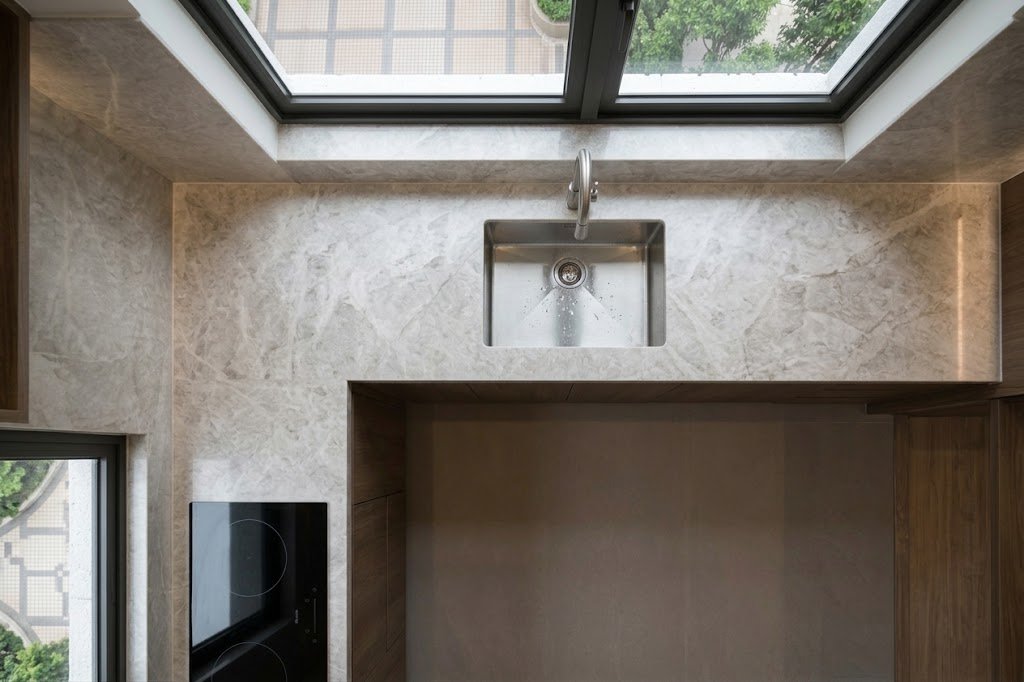
Pick your surface based on actual kitchen use and your allocated budget. For anyone preparing meals daily in an active kitchen, that stain and scratch resistance keeps you from dealing with constant headaches.
Sintered stone works in all sorts of areas. It fits right on kitchen countertops, bathroom vanity tops, custom dining tables, kitchen islands, or feature walls. That keeps maintenance simple for any active home.
Caring for Sintered Stone
Keep your sintered stone looking pristine. Here's how you can protect your investment.
Daily Cleaning
Cleaning sintered stone is easy. Just use warm water, mild soap, and soft cloth and you're good. Stop using aggressive cleaners and scratchy sponges. These can ruin the finish as time goes on.
Preventing Damage
Knives stay sharp and unnecessary surface friction gets avoided when you chop on cutting boards instead of the material, tough as it is. Be careful with direct impacts on the corners and edges too.
Long-Term Maintenance
Keeping things maintained long-term won't take much effort. You don't have to seal sintered stone. That keeps upkeep simple over time. Just look over joints, edges, and seams every so often. Following manufacturer guidelines is all you need for peace of mind.
Why Choose Bellus for Sintered Stone Solutions?
High-end home materials need proper execution or the product goes to waste. Bellus provides premium sintered stone materials alongside expert fabrication and professional installation services.
Seasoned professionals make all the difference here. Proper measurements, precise cuts, and safe placement ensure long-lasting results you can admire daily.
Conclusion
Finding that balance between beauty and resilience keeps a home happy. Sintered stone brings incredible durability, heat tolerance, and low maintenance to the space.
It demands careful edge handling and professional setup. Just weigh all factors against your budget and lifestyle, then choose the surface that elevates your home best.
Frequently Asked Question
-
Yes, its exceptional durability, heat resistance, and low maintenance make it a long-lasting, worthwhile investment for modern homeowners.
-
Many sintered stone slabs are rated for outdoor use thanks to their UV stability, but it varies by product, so check the specific slab with our team.
-
Both materials offer high market appeal, but sintered stone often commands attention due to its superior UV and heat resistance.
-
Contact a professional stone restoration specialist immediately to assess the damage and apply specialised color-matched resin repairs.
-
No. Because of its dense, non-porous nature, sintered stone never requires sealing during its entire lifespan.
Ready to Upgrade Your Home with Premium Sintered Stone?
Whether you're planning a new kitchen, bathroom, or dining space. Let our team help you find the perfect surface for your home.
